en

 back
back
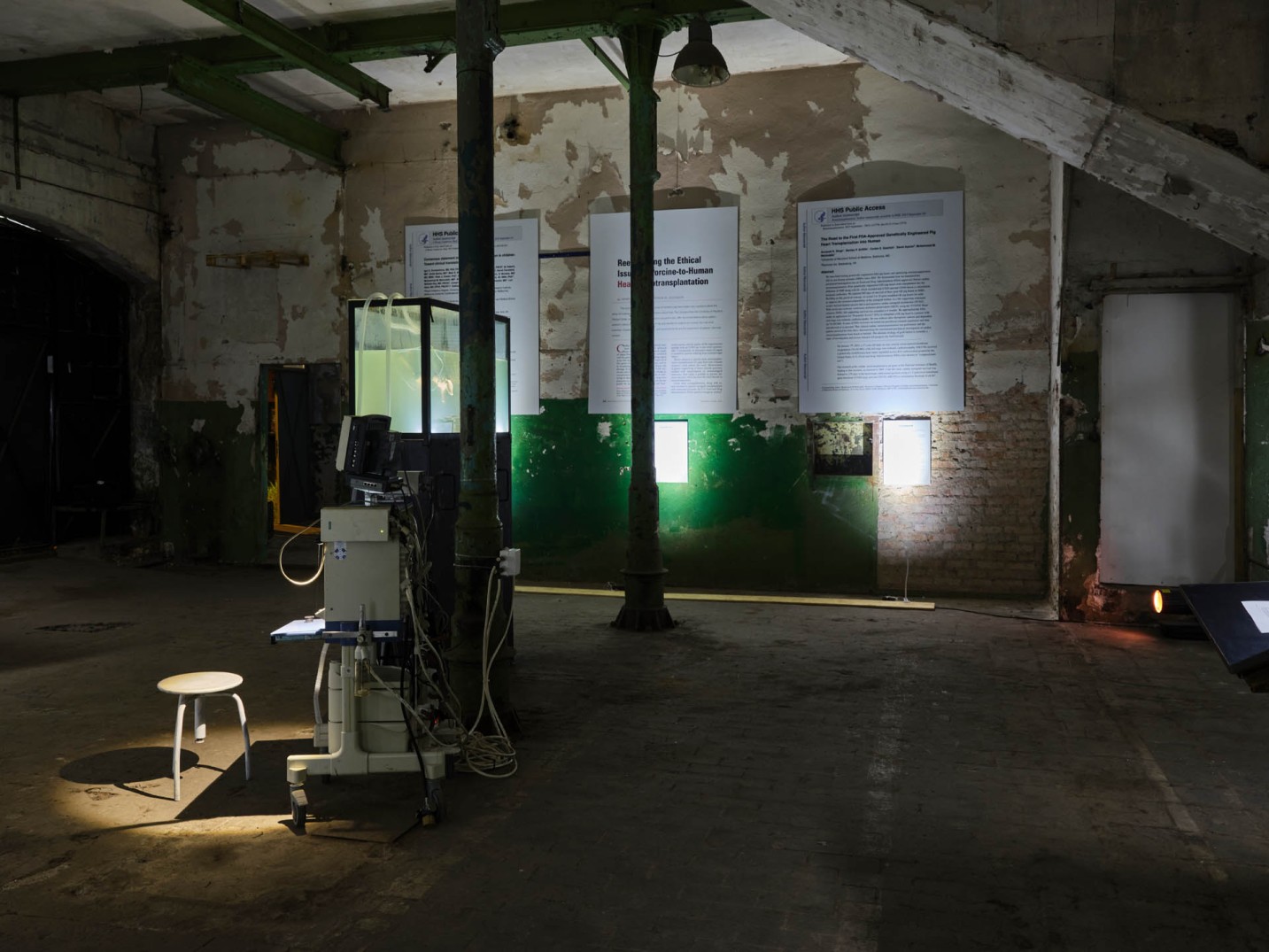
Exhibition Curator: Jacek Kornacki
For more than fifty years, humans have died differently from all other living organisms. When we cut down a tree, we recognize its death as the moment when the flow of fluids within its roots, trunk, and leaves ceases — when it can no longer absorb water and minerals. Similarly, an animal dies when the heart stops beating and blood circulation ends, making the transport of oxygen and nutrients impossible. Only humans, since 1967, have died differently. Human death no longer requires the cessation of circulation or cardiac arrest. The death of the brain stem — the organ regulating the function of all other organs — marks the end of biological life.
To an outside observer, a non-specialist, the human being still appears alive: the heart beats, blood circulates, the body reacts reflexively to stimuli. Advances in the understanding of the physiology of dying made such a redefinition of death possible. But it is no coincidence that this definition emerged in 1967 — the very year in which Christiaan Barnard performed the first heart transplant. The necessity of obtaining organs to save the lives of others arose. Lawmakers and the state had to respond to this scientific breakthrough. Medicine had outpaced ethical discourse and thanatology — the study of death. Legislators, unable to independently assess these medical practices, turned to scientists. At Harvard University, a committee of bioethicists and physicians gathered to redefine death. Robert Ebert, Dean of Harvard Medical School, wrote to the committee: “You would redefine death in order to make viable organs available for transplantation.”
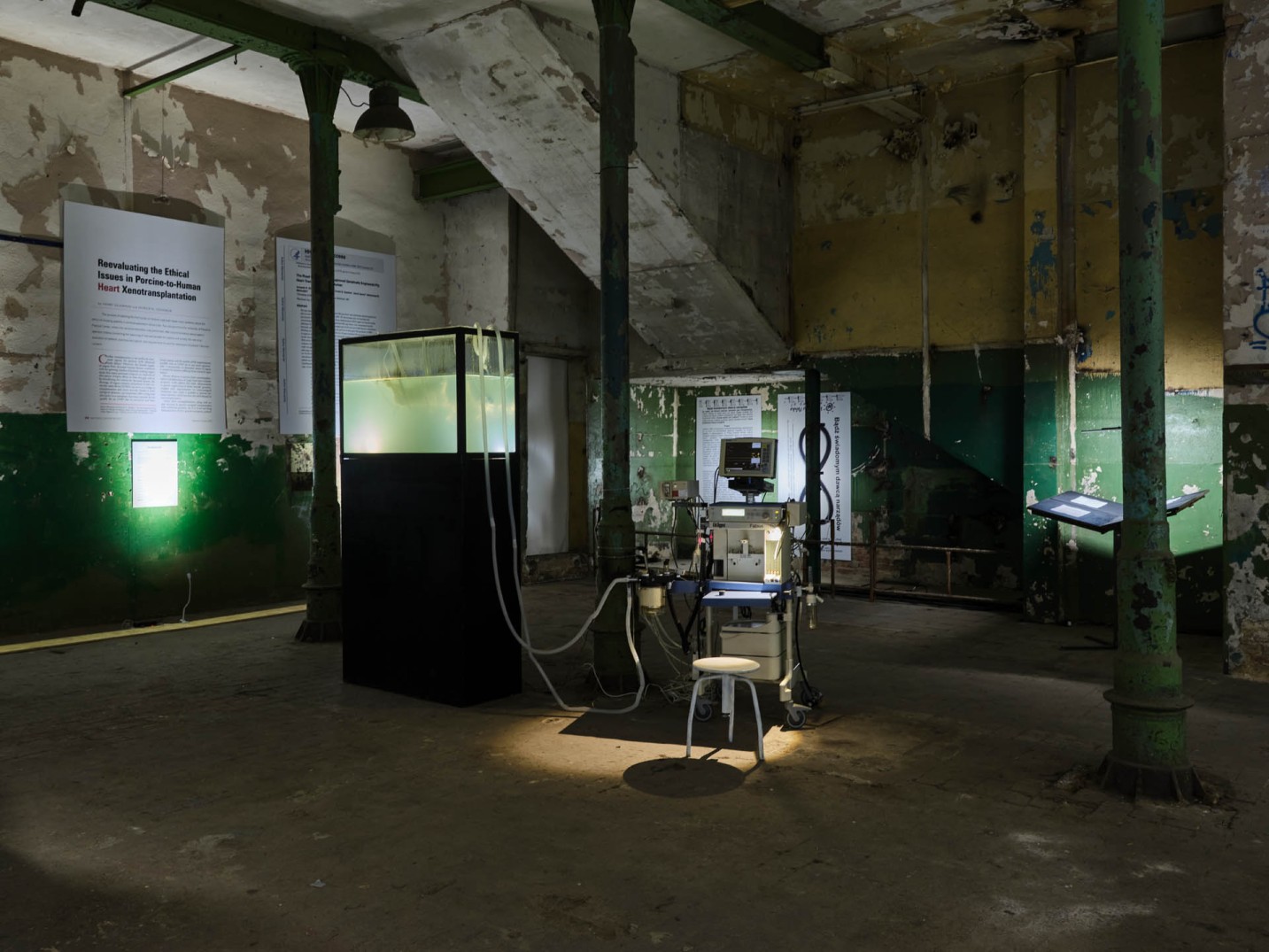
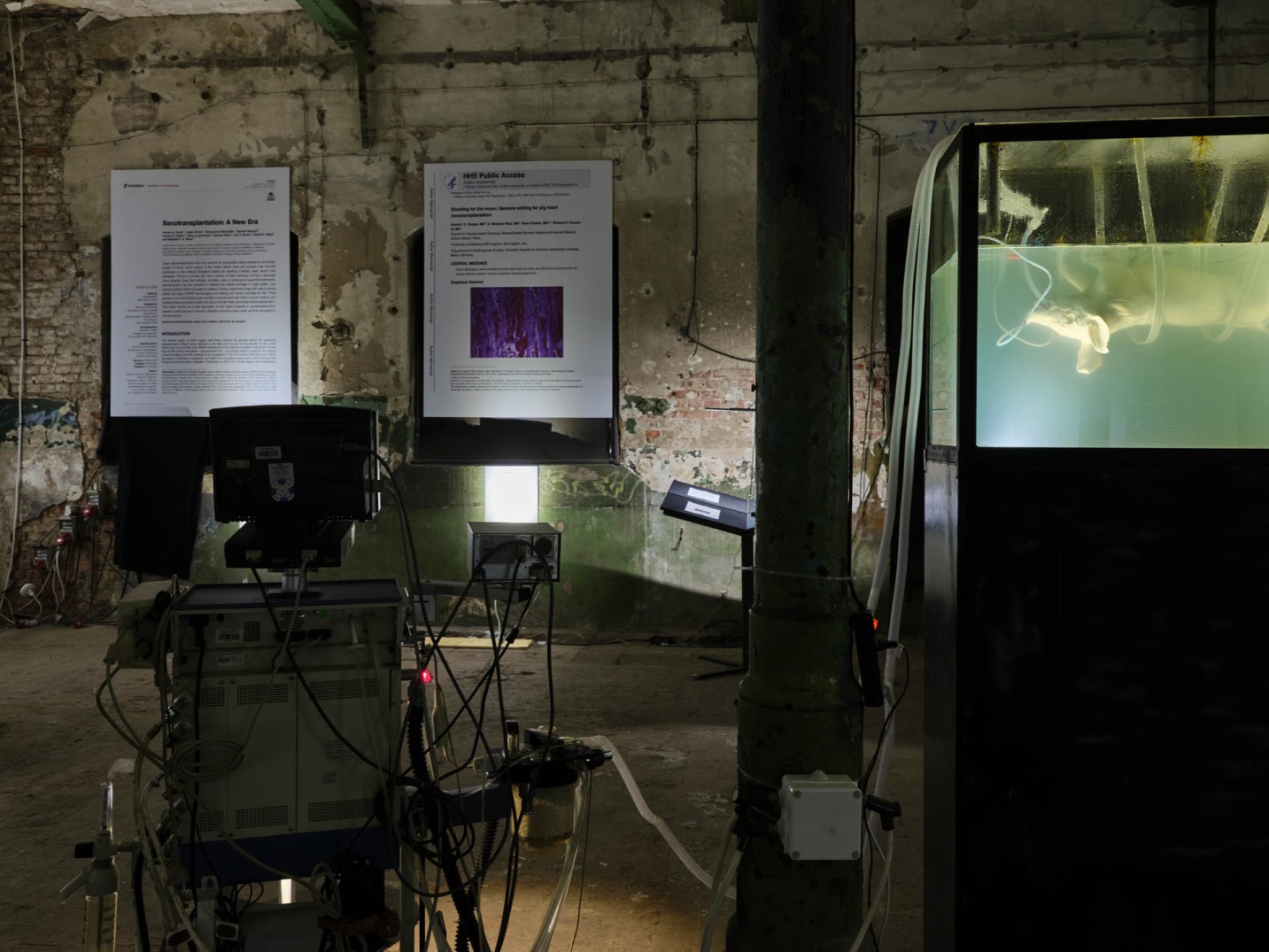
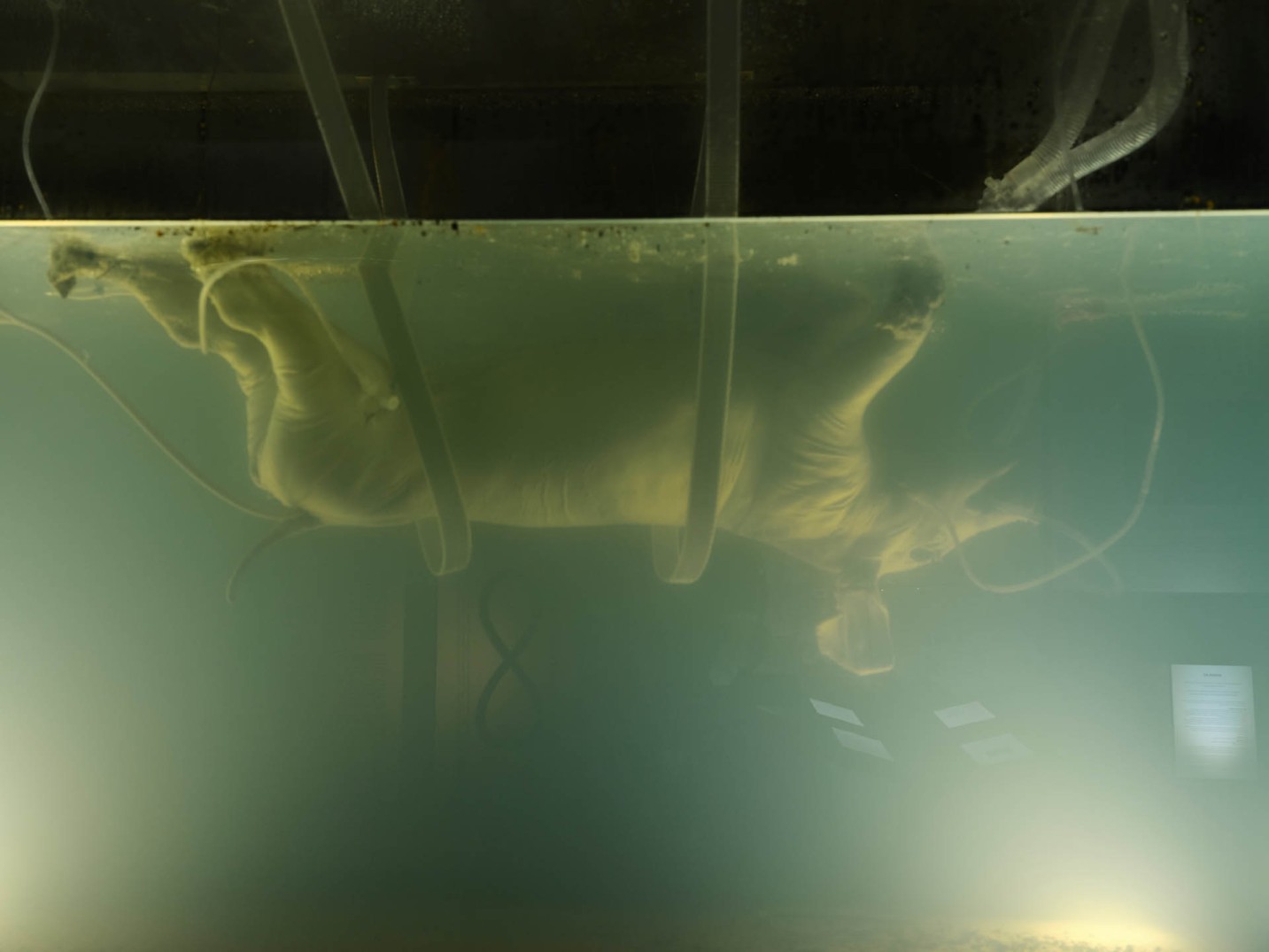
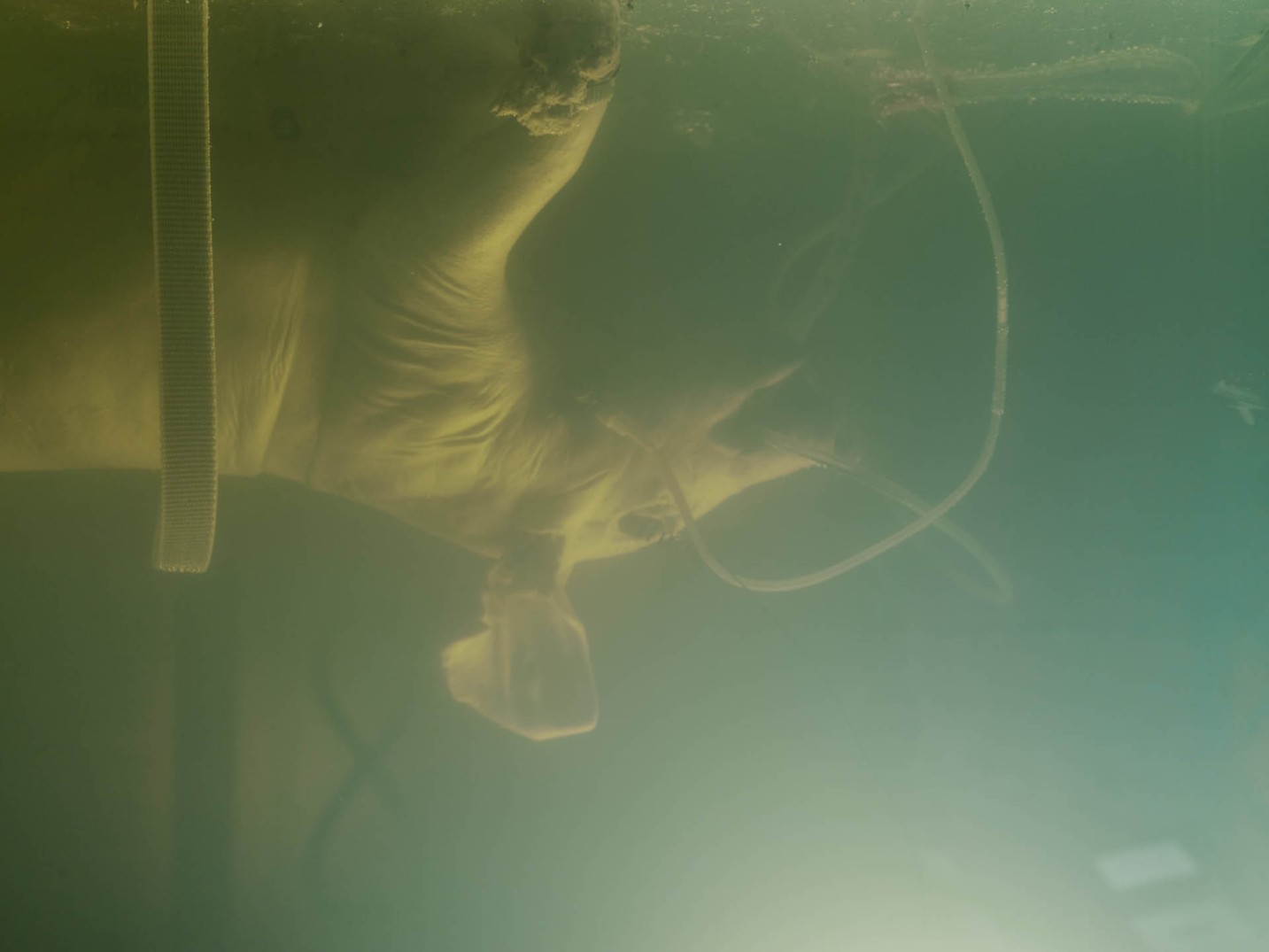
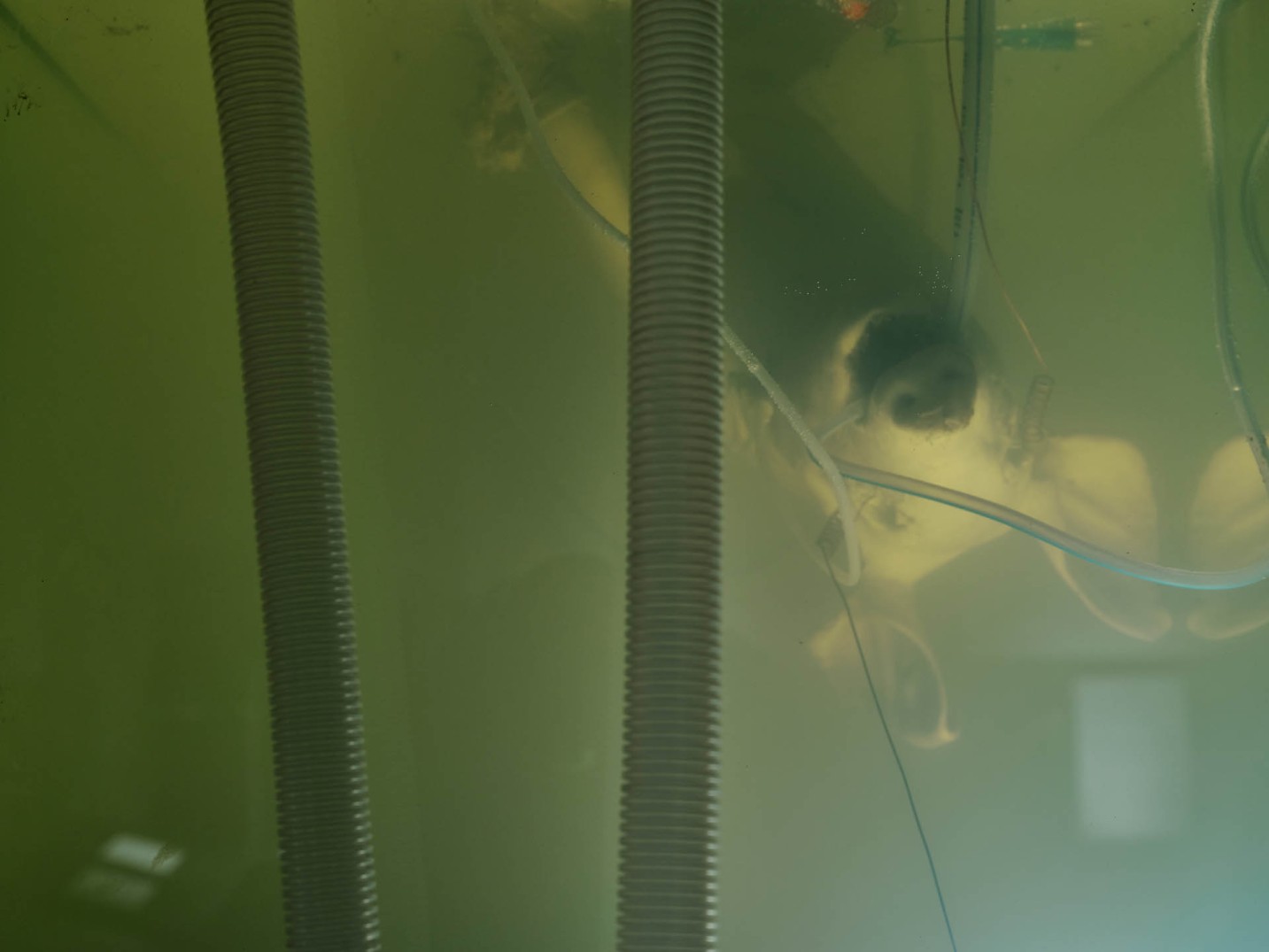
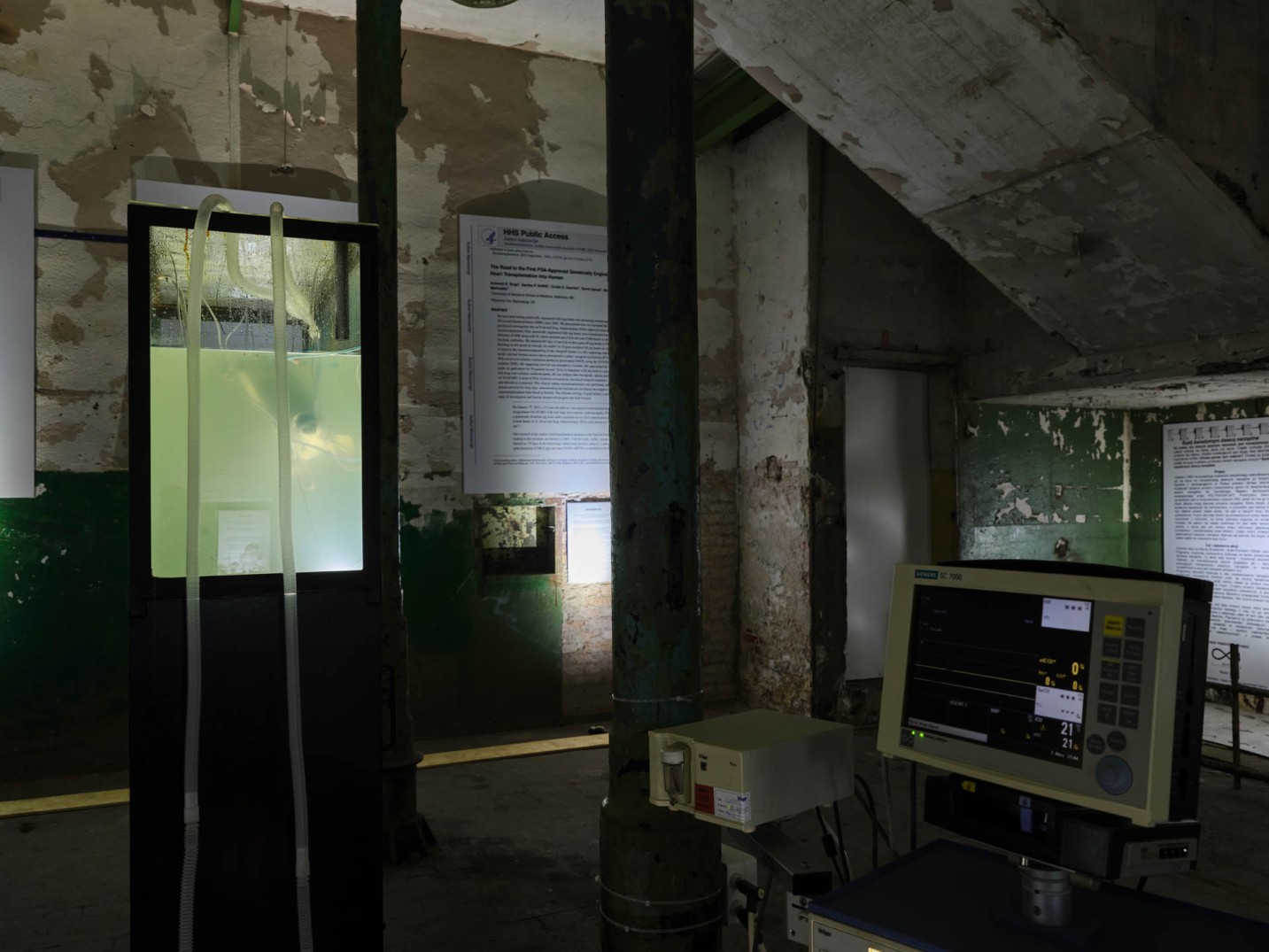
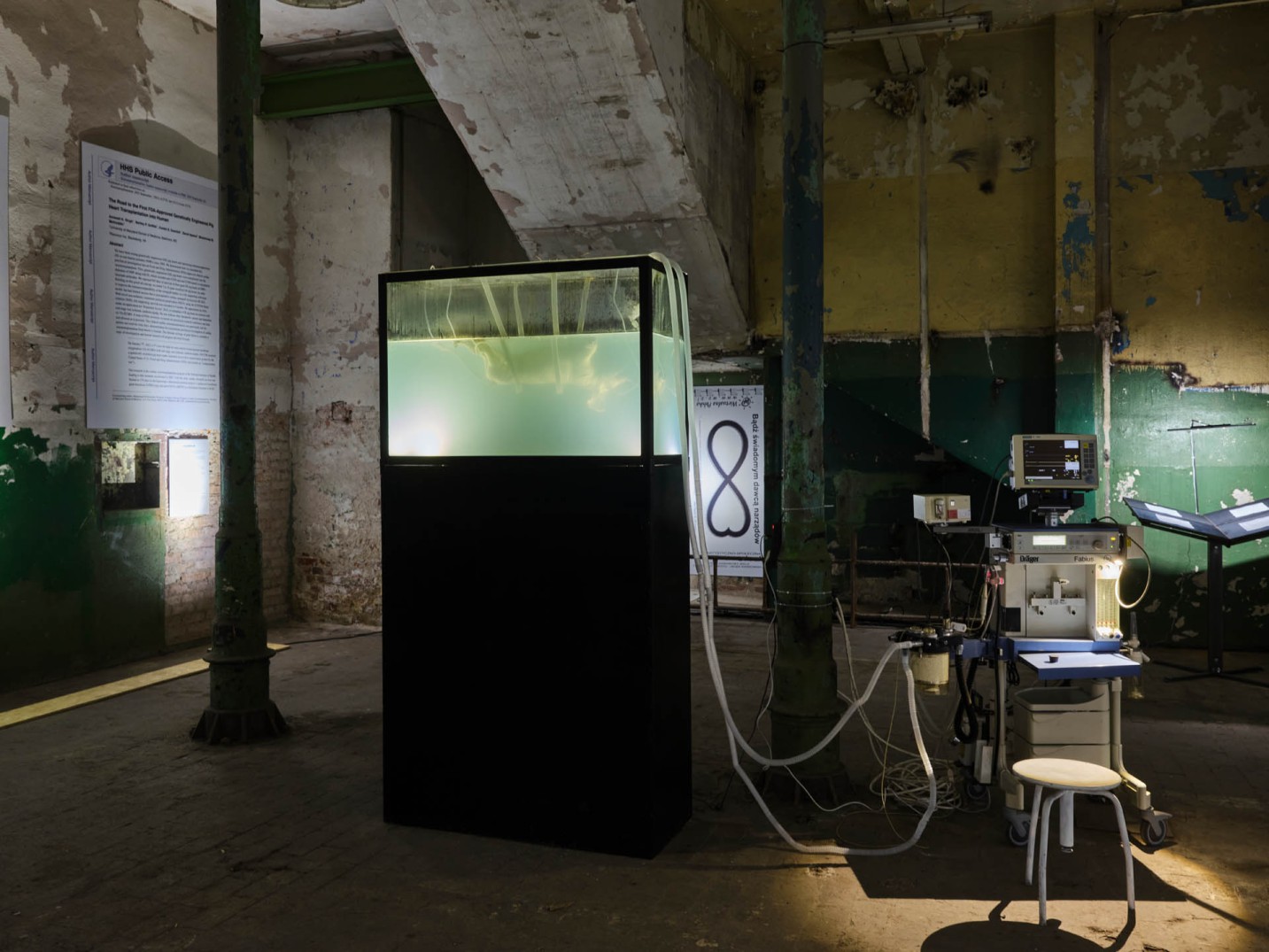
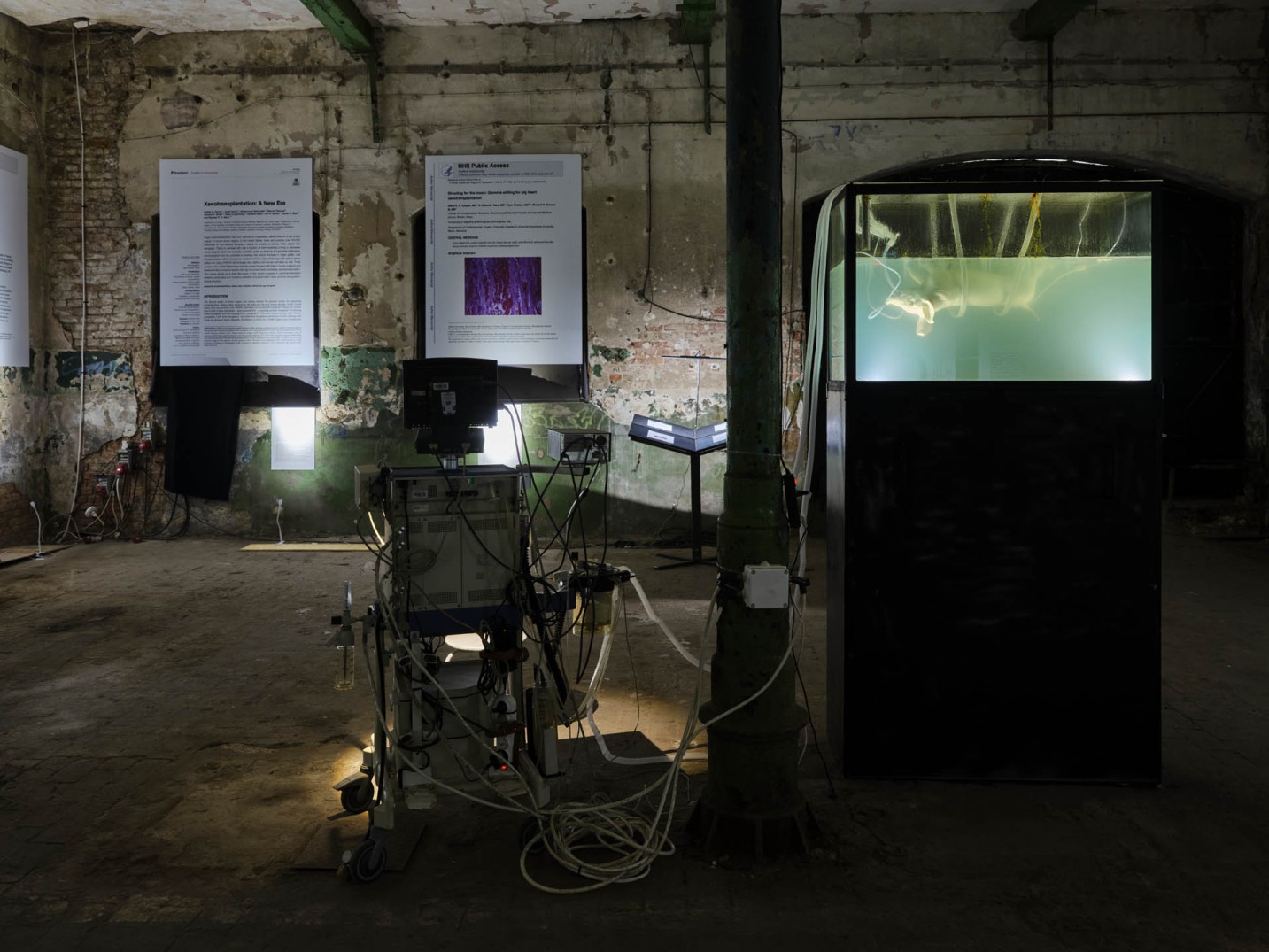
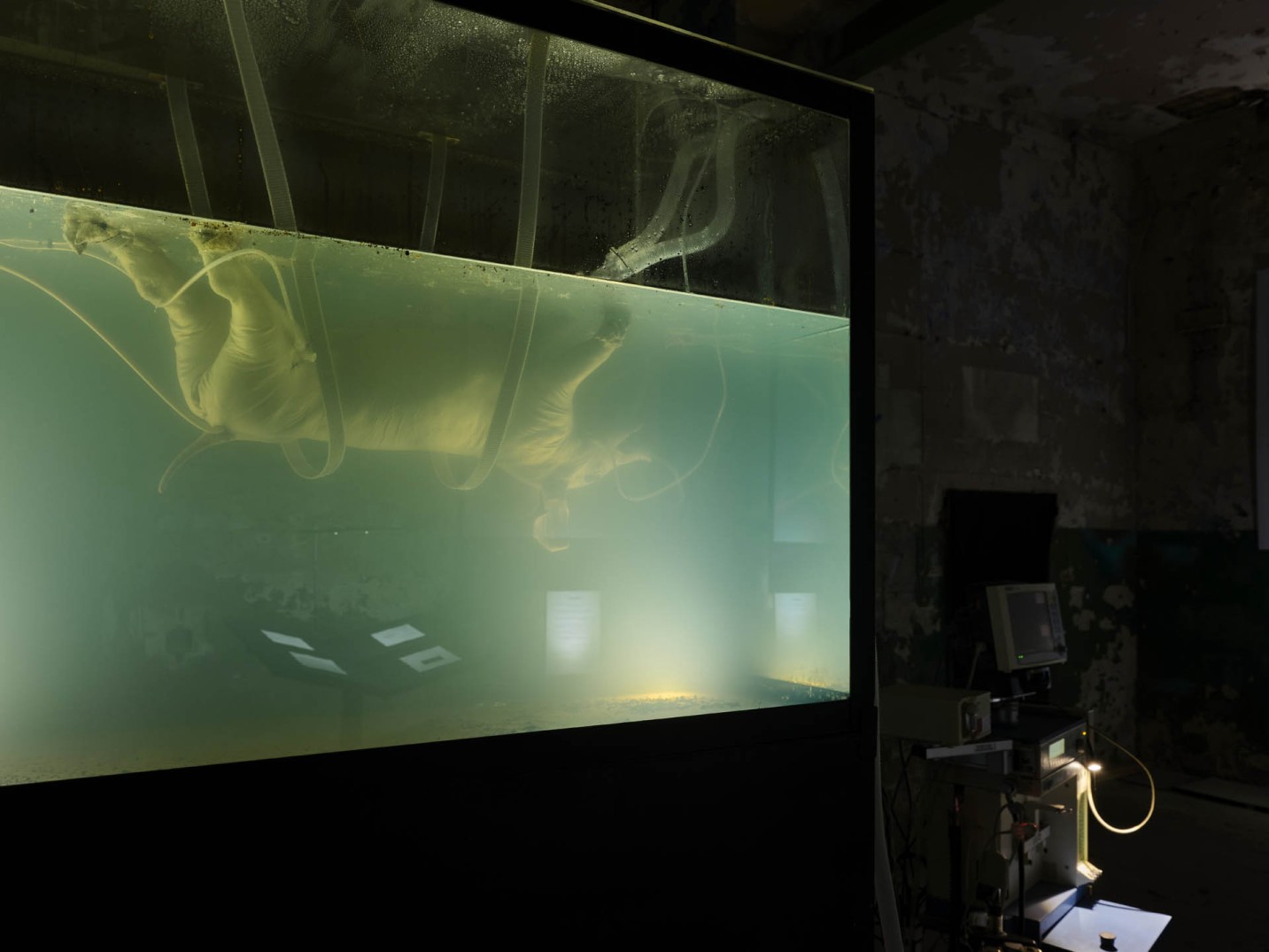
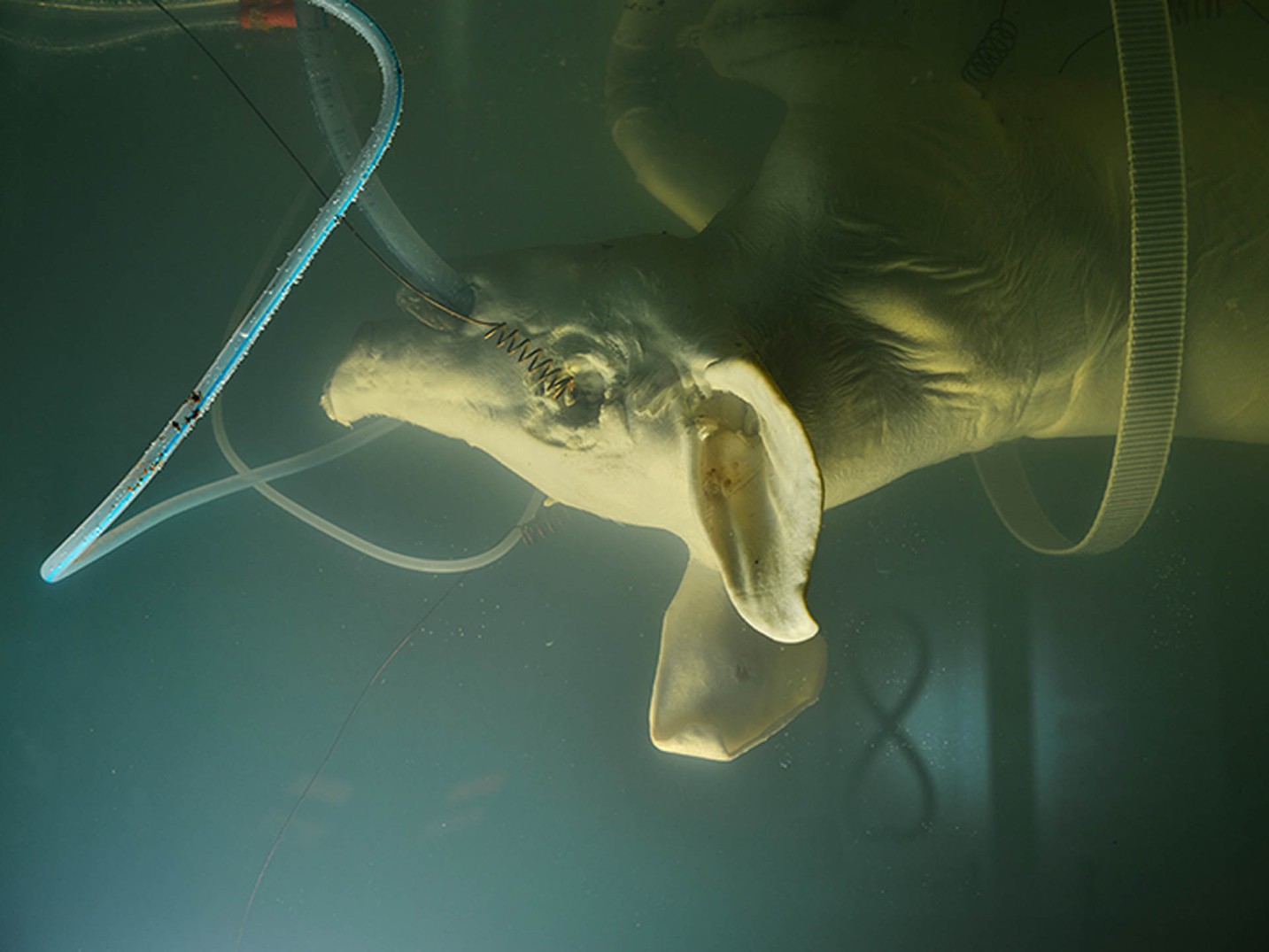
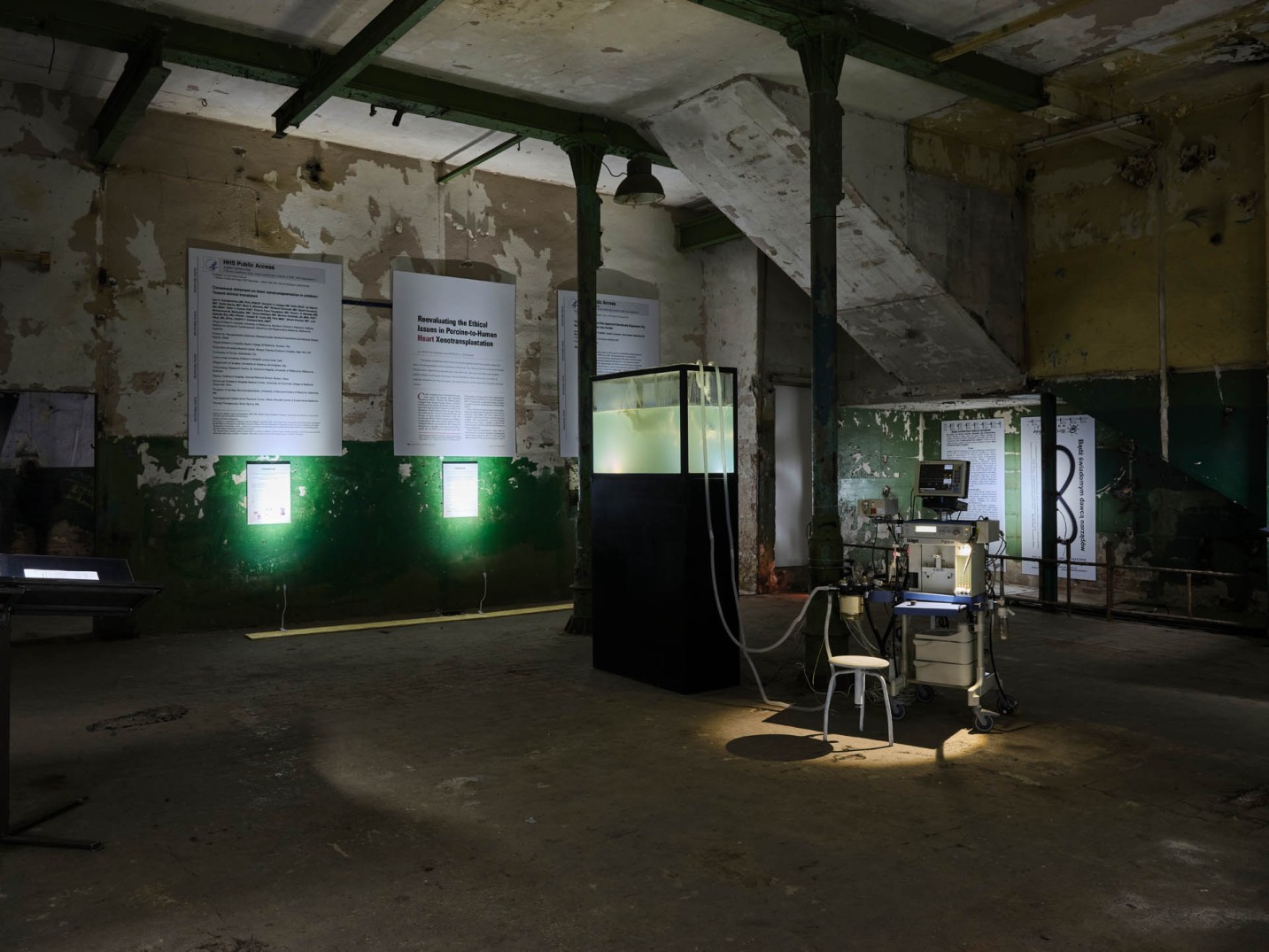
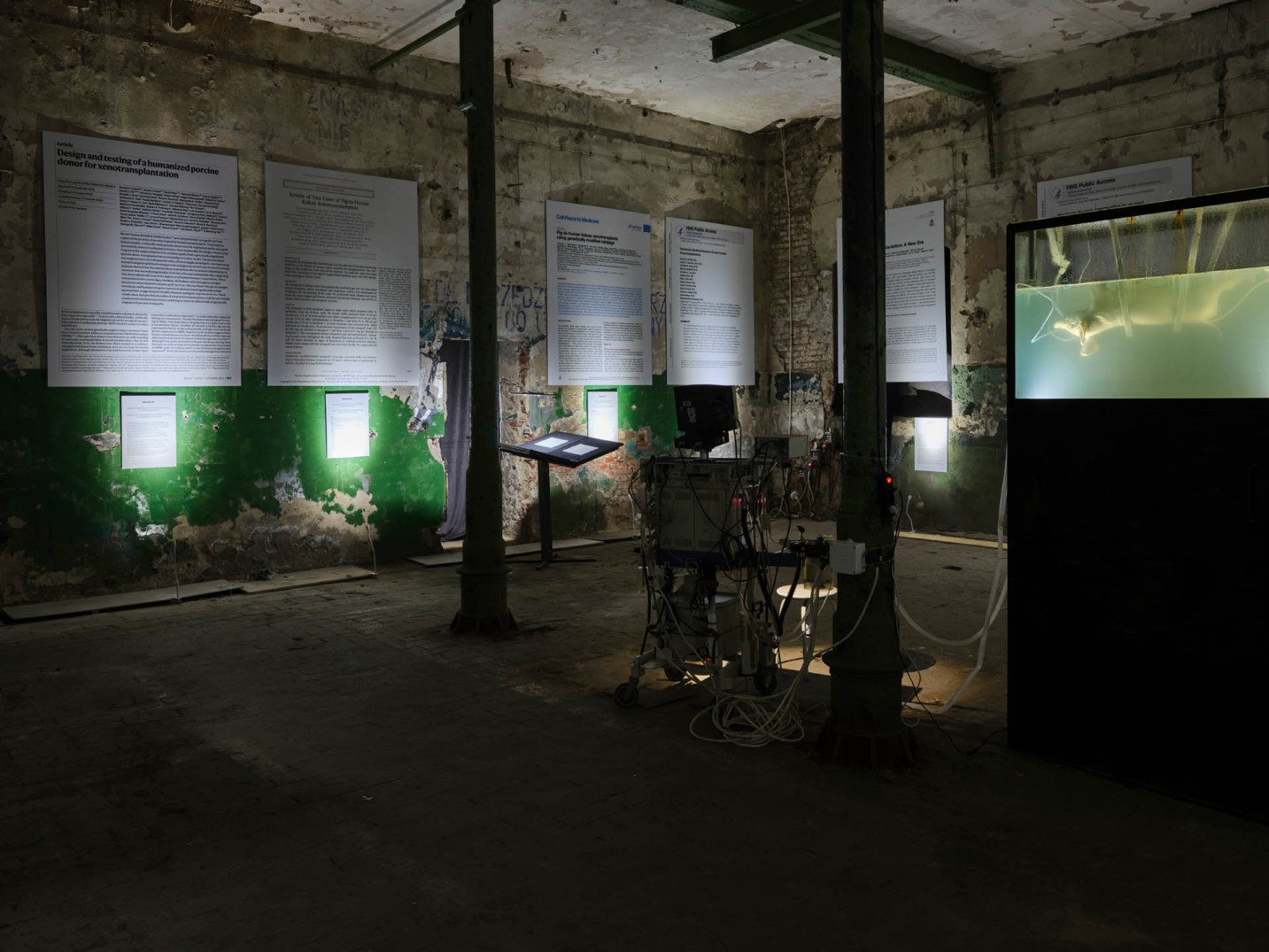
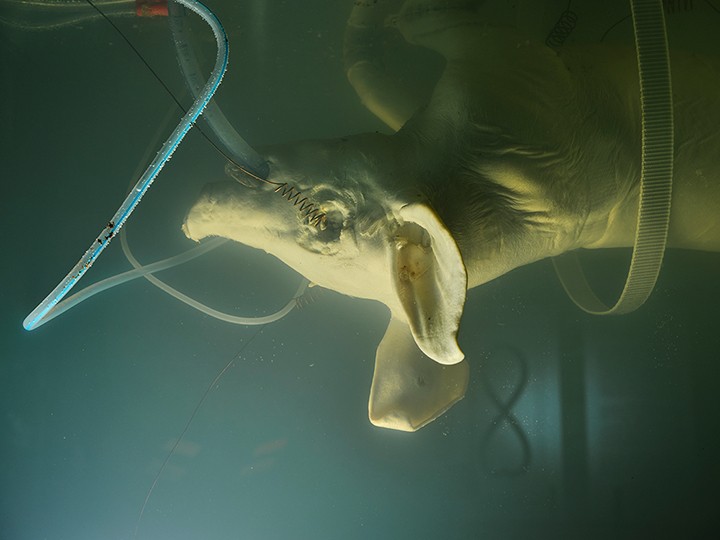
Today, the pig — regarded in many cultures as an “unclean animal” — is becoming a symbol of hope for new life. “Knockout pigs,” animals genetically modified to remove the 1,3-galactosyltransferase gene (and later other genes), have been used as kidney and subsequently heart donors for humans. The human immune system no longer recognizes such organs as foreign. The projected demand for these organs is expected to create a market worth 14 billion dollars annually within the next five to seven years.
The surreal vision imagined by Lindsay Anderson in the early 1970s — a human with the torso of an animal — is becoming reality. What once appeared as a nightmare and a crime committed by mad scientist-doctors now carries the promise of extending life and health. But is humanity prepared for this? How will we solve the ethical dilemmas? Will the arbitrary definition of brain stem death, which initiated the era of transplantation, now justify the use of another species for the preservation of human health?
Noel, Angel, Star, Joy, and Mary — the five pigs who initiated this new chapter in history — were not given accidental names. Very little in contemporary literature addresses the issue of the posthumanist treatment of another species. The language of science remains dry, utilitarian, and pragmatic. Ethicists consider at most the issue of persuading the human recipient to accept a pig organ. Someone must also decide on behalf of a human child recipient. Yet nobody discusses the animals themselves. This represents humanism in its most supremacist form.
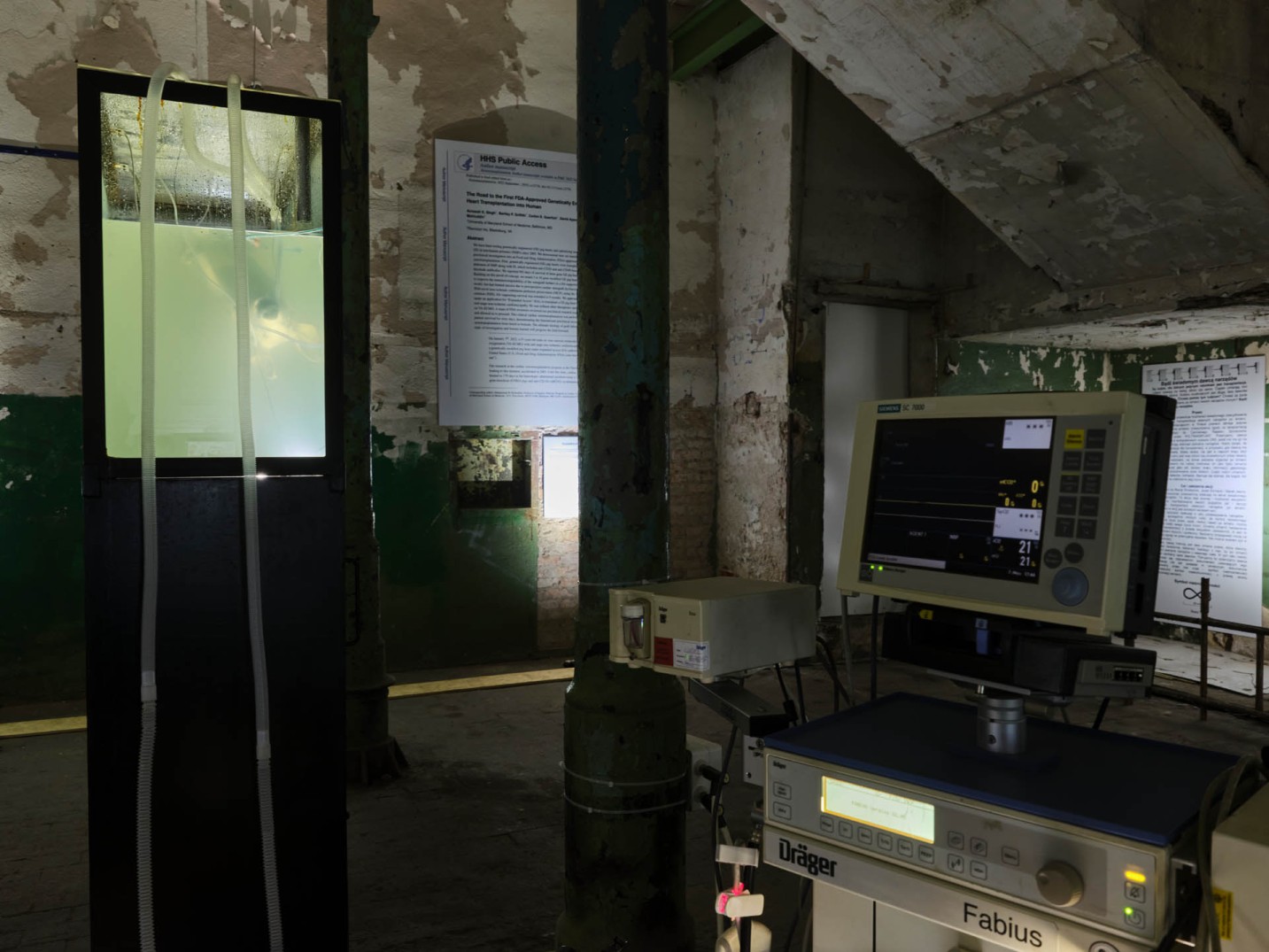
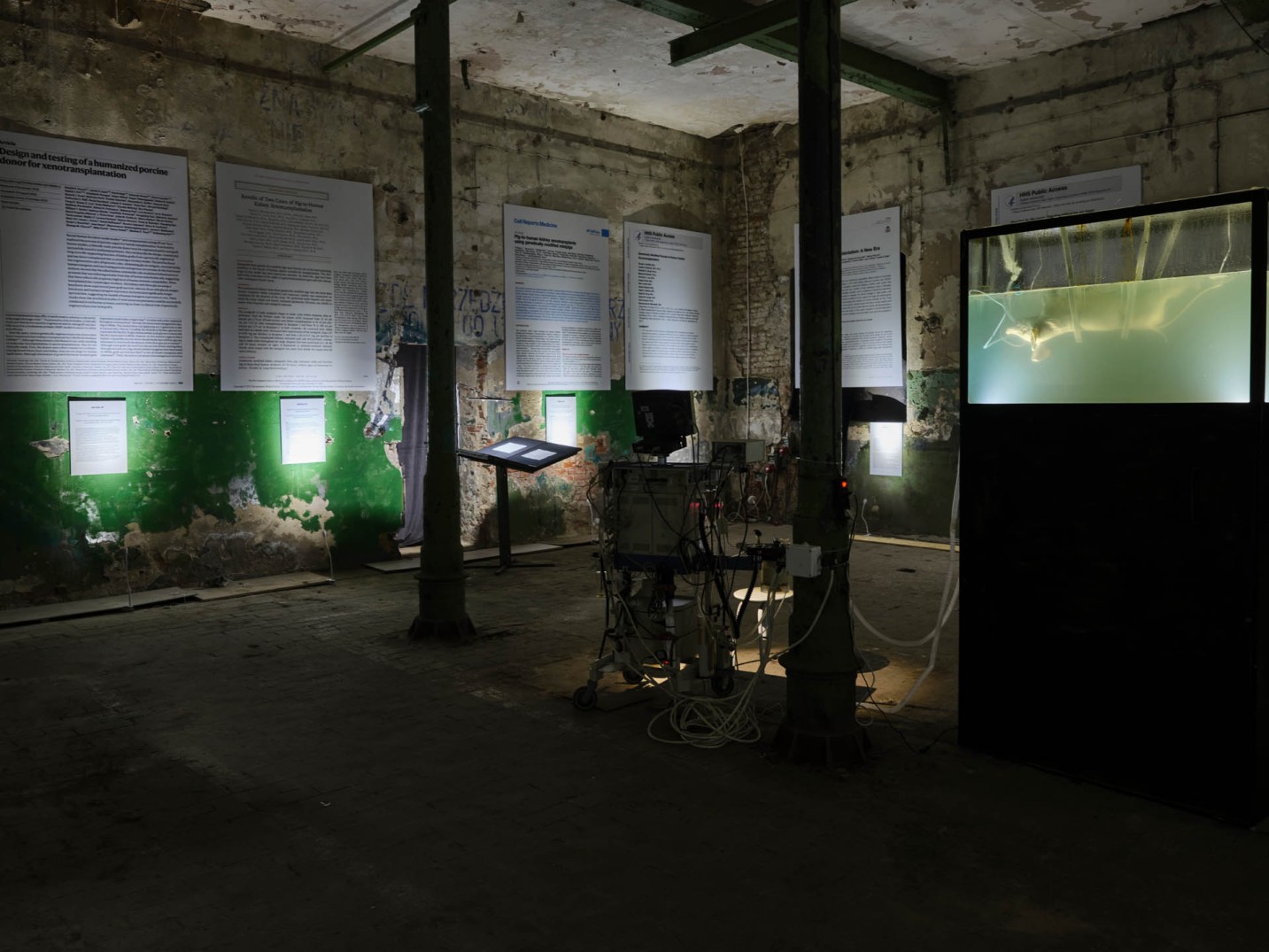
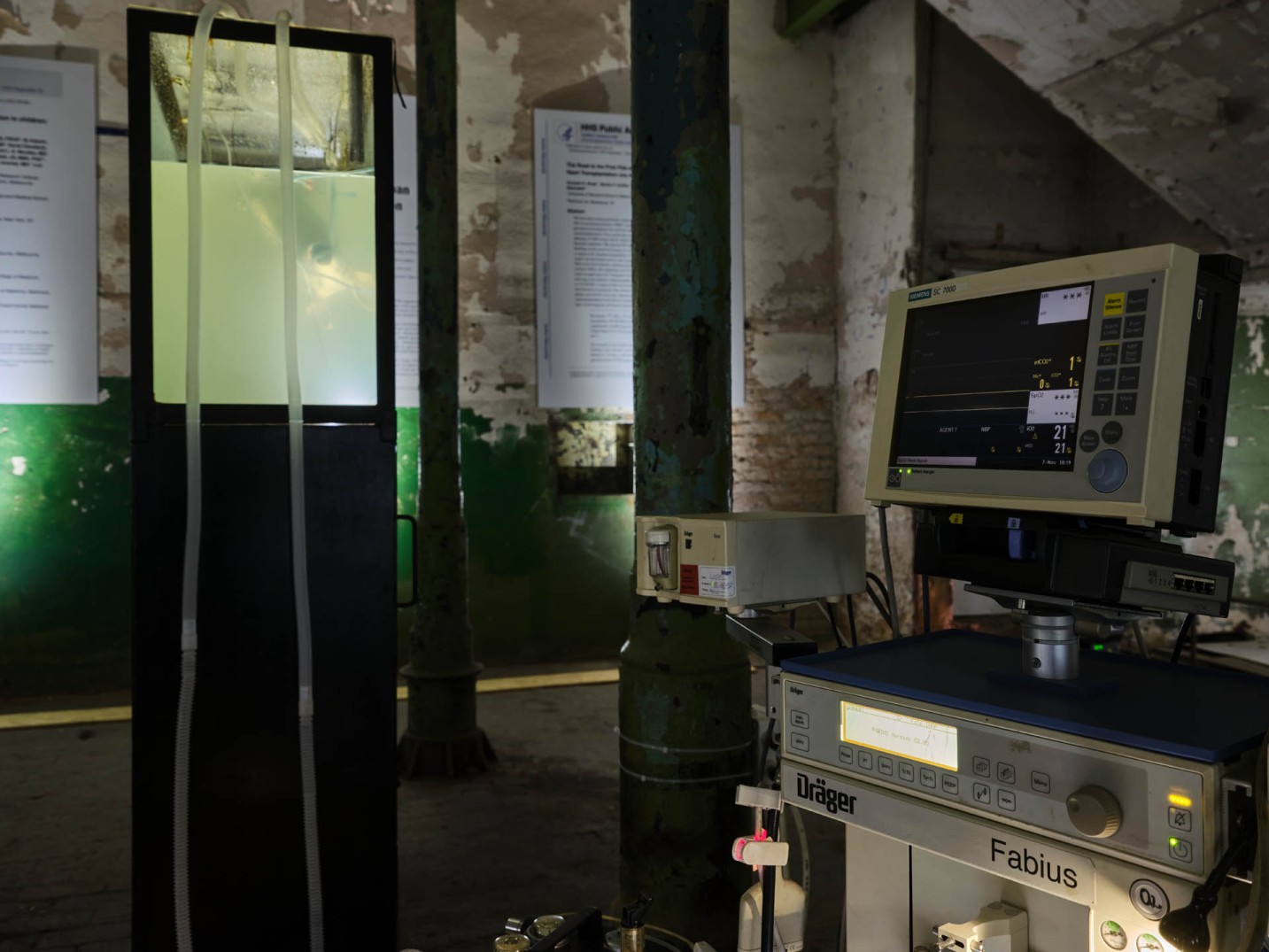
In the previously promoted ethics of transplantation, the body after brain stem death becomes a gift — an act of human solidarity and generosity toward another person. Transplant surgeons, ethicists, and theologians fought for decades to gain social acceptance of this concept. But now the issue extends further. In xenotransplantation projects, the same body continues to be used after death. A dead body, artificially maintained in laboratory conditions for biological functions, becomes a site for experiments involving pig organ transplantation. Existing somewhere between life and death for the possible future salvation of health — or perhaps the future immortality of superhumans. We have accepted this use of the body without discussion. But can such a practice still remain consistent with the philosophy of the gift?
Perhaps humanity, once united, is capable of solving every problem within a year or two — the atomic bomb ends a war, a vaccine ends the COVID pandemic. But does this not also open a contemporary Pandora’s box? Is the ethical debate on transplantation returning once again — now in the context of posthumanism, animal rights, autonomy, and behaviorism?
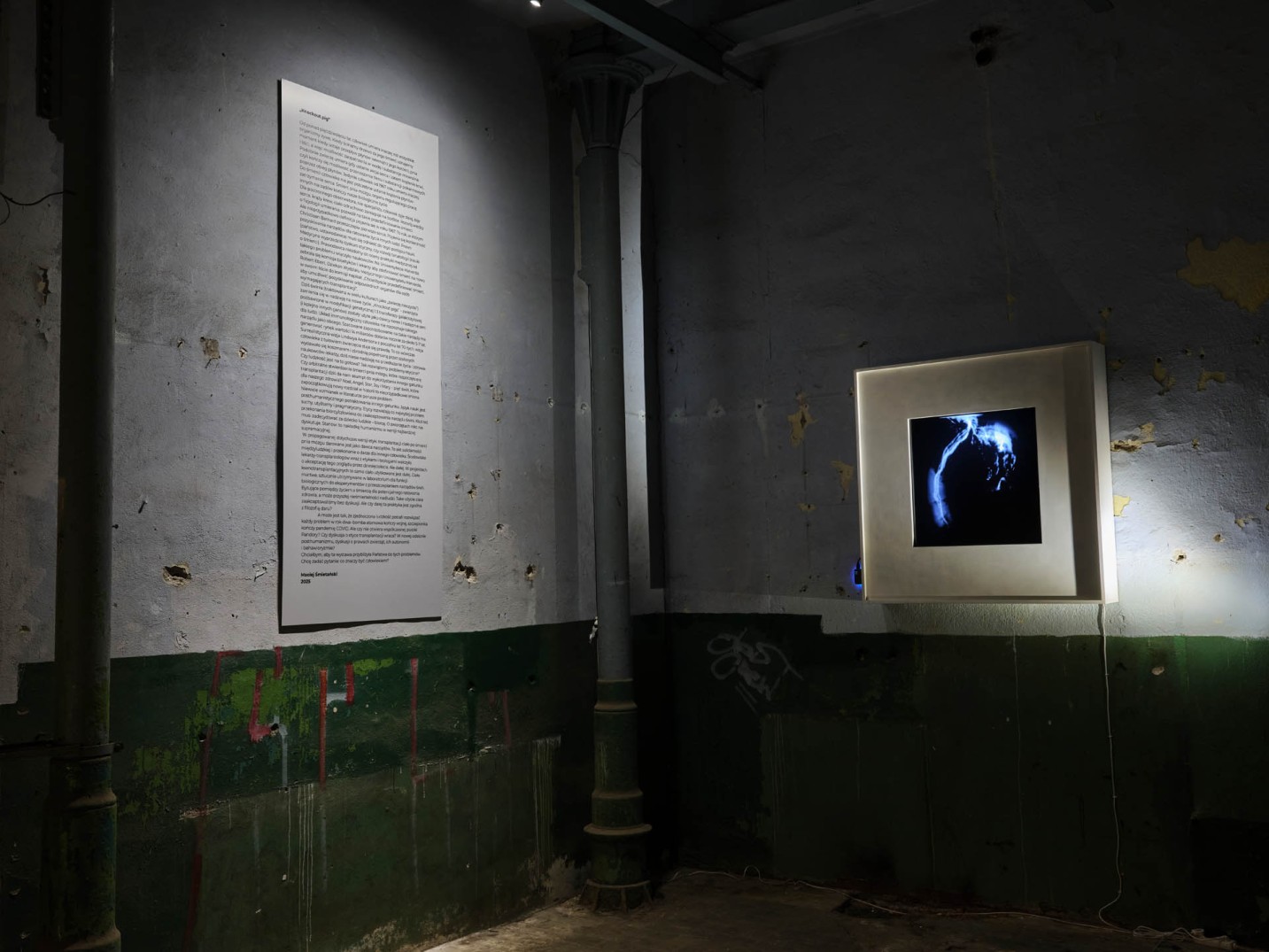
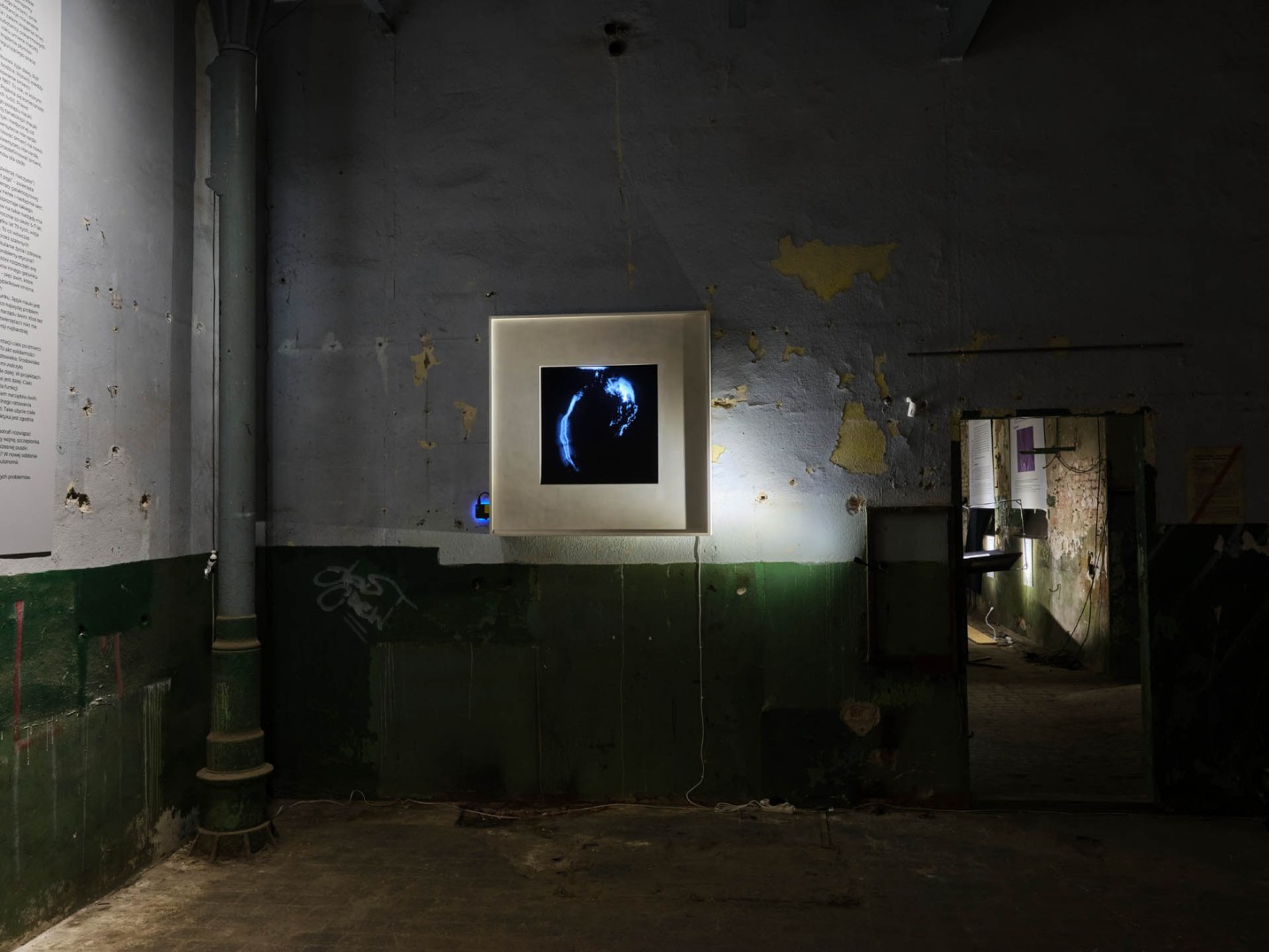
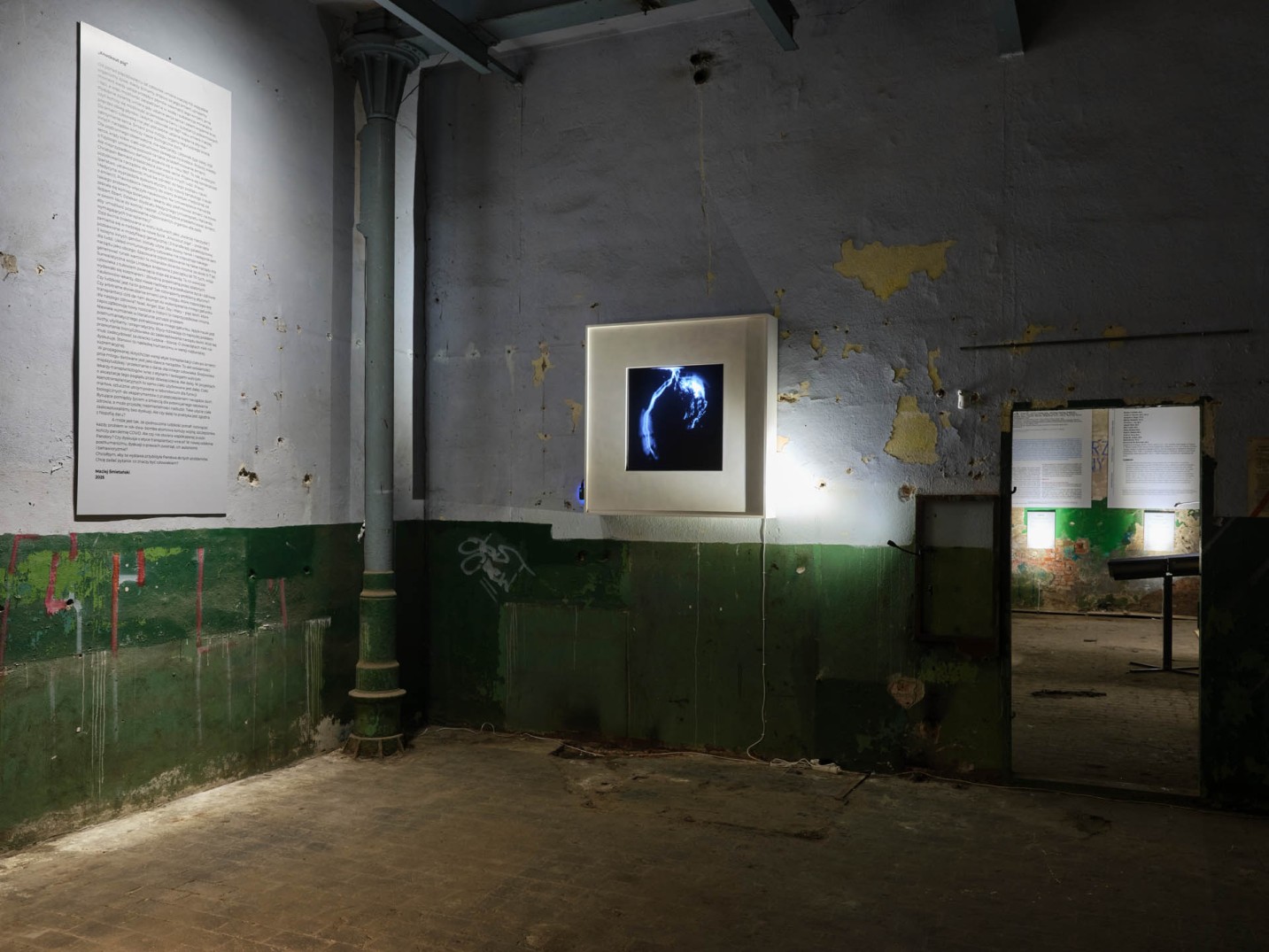
I would like this exhibition to bring viewers closer to these questions. I want to ask: what does it mean to be human?
The exhibition was created as a critical voice regarding the changing paradigm of organ transplantation. For more than fifty years, the development of transplantation worldwide has been conditioned by the number of available donors. In the early stages (the 1980s), transplant specialists — together with governments, ethicists, churches, and social organizations — struggled to overcome resistance to organ procurement from deceased donors, as well as objections from families and communities. Various solutions adapted to regional ethical models were introduced in order to promote conscious organ donation: the expression of consent to donate organs after death.
Another issue within transplantation programs concerned doubts about the integrity of the human being after transplantation — for example, the idea of possessing another person’s heart. In the 21st century, these difficulties seem to have been overcome, and transplantation has become a widely accepted medical procedure. Simultaneously, posthumanist and post-anthropocentric attitudes have become increasingly widespread within art and philosophy. Humanity has begun to understand the importance of the planetary biotope and the necessity of coexistence with other living organisms in order to preserve the planet’s balance.
Scientific research has demonstrated the integrity and identity of species other than humans, as well as their capacity for sensation, coexistence, forming communities, and creating social customs. Such an approach led to the development of the concept of “non-human beings,” paving the way for the inclusion of animals within legal systems in various countries, the establishment of legal representation for them, and the granting of rights comparable to human rights.
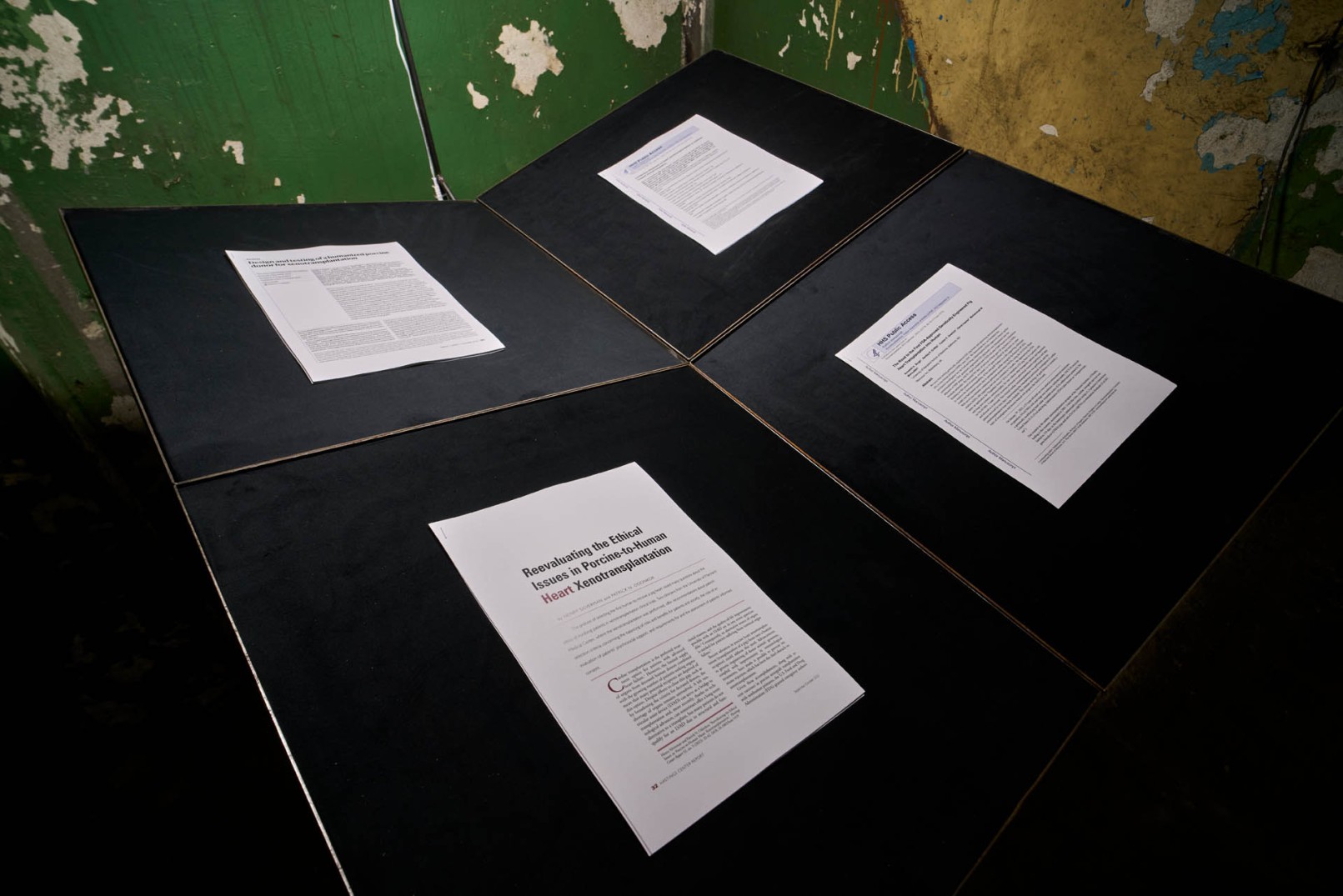
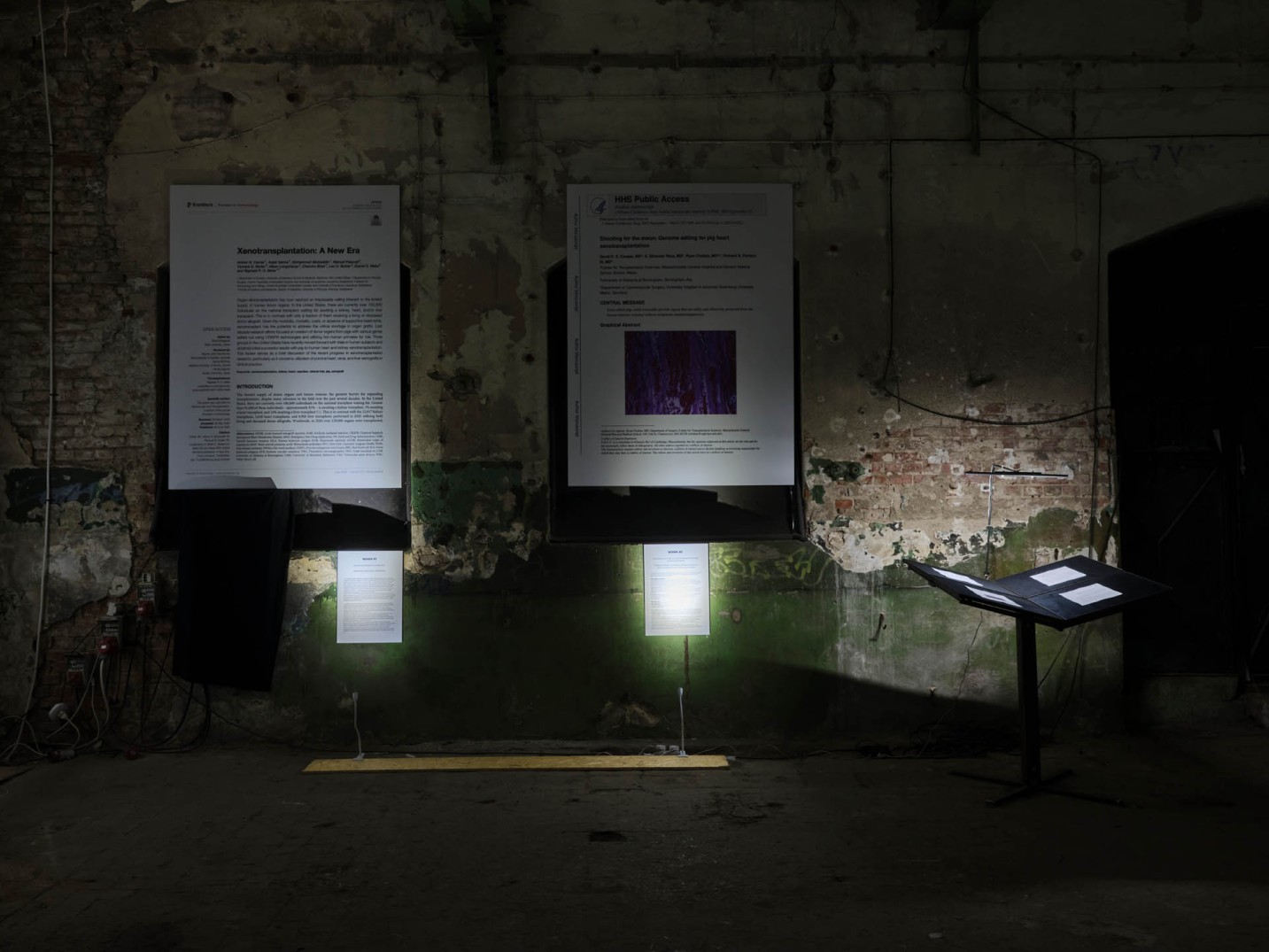
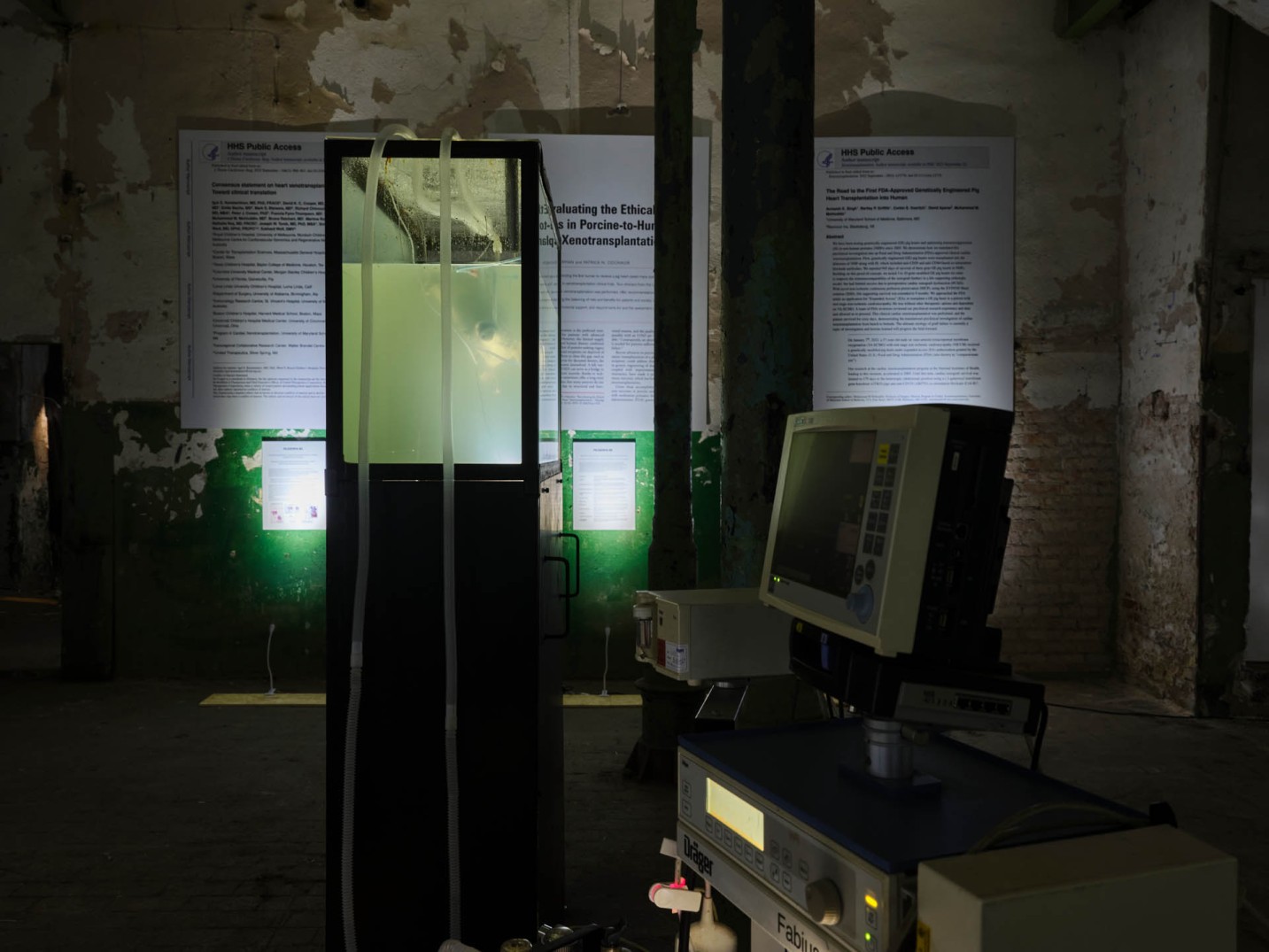
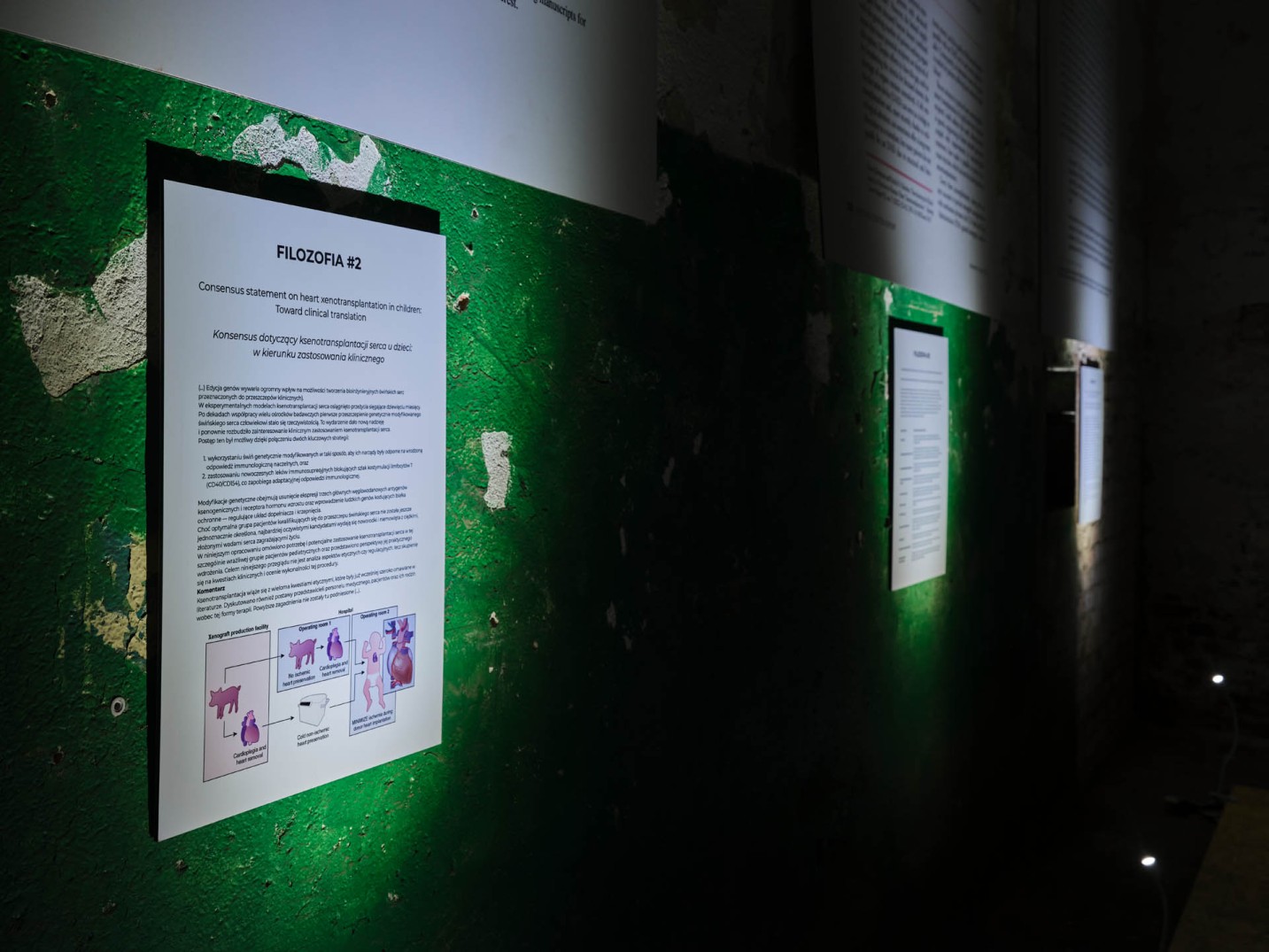
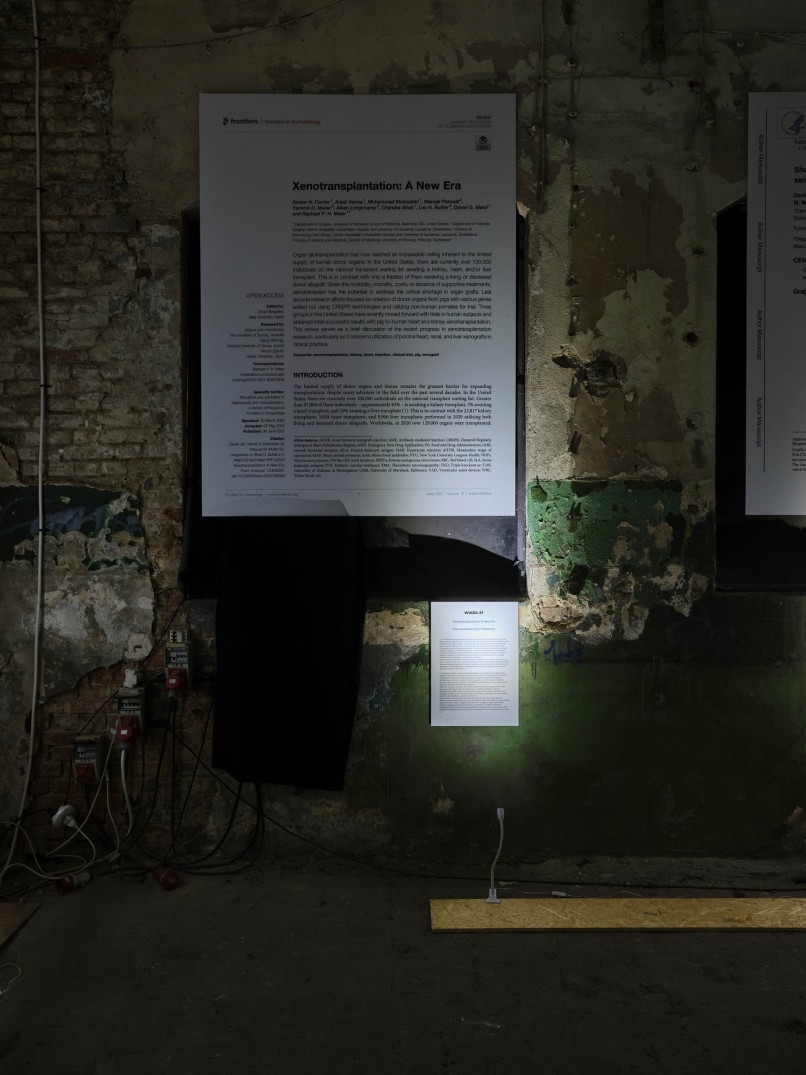
Yet in the 21st century, scientists turned to genetic engineering in order to obtain transplant organs from mammals for use in saving human lives. The removal of genes responsible for organ rejection enabled the breeding of pigs with modified genotypes — medically referred to as “knockout pigs” — and led to the first experimental xenotransplantations in humans.
At the beginning of the 21st century (in 2000), the exhibition’s author together with Jacek Kornacki initiated the socio-artistic campaign “Be a Conscious Organ Donor.” The campaign involved tattooing a specially designed symbol — an infinity sign ending in a heart — intended to express a person’s readiness to become an organ donor. The tattoo symbol carries this decision through the boundary of death as a form of body language, symbolically speaking on behalf of the deceased. This cultural association refers both to body marking traditions present in cultures for thousands of years and to the reversal of the stigma of tattooing associated with the Holocaust.
The BSDN campaign is considered the most significant socio-artistic initiative in postwar Polish history and the campaign with the widest social impact, with the symbol tattooed on the arms of more than 100,000 people.
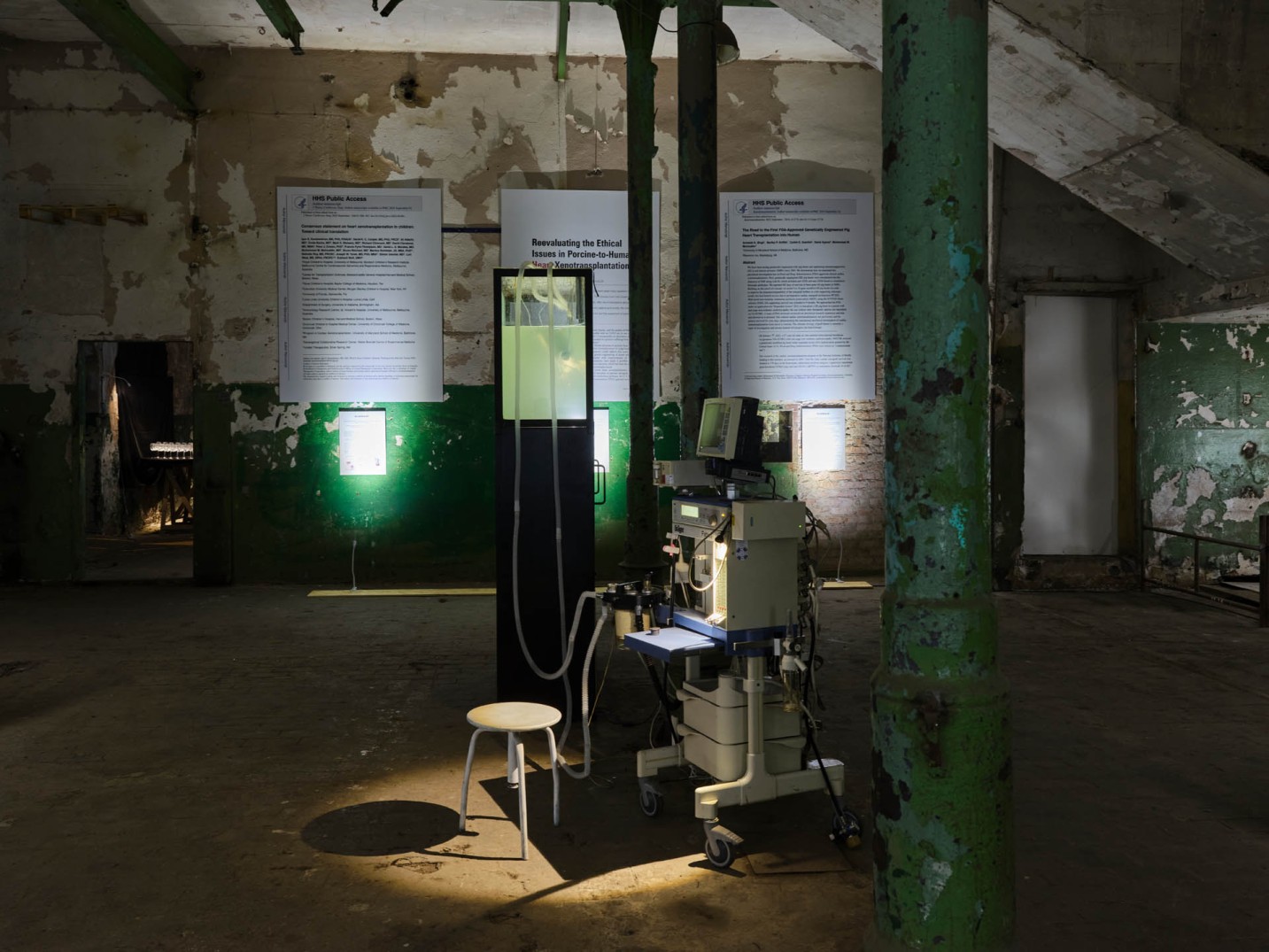
Maciej Śmietański returns to transplantation discourse through the exhibition “Knockout Pig” because of the absence of ethical and moral reflection surrounding xenotransplantation practices. The media presents such procedures as an unquestionable triumph of humanity over death — one-sidedly and without commentary. Similarly, the medical community frames ethical issues in the opposite direction, considering only whether the human body will accept a pig organ.
Scientists do acknowledge that primate organs might be biologically more compatible with humans, yet according to researchers, primates evoke troubling ethical associations because they are simply too similar to us. Therefore, art appears to become a tool for re-entering this discourse — a kind of alarm bell in the age of posthumanism.
Full version of the opening speech for “KNOCKOUT PIG”: